






Nations will release an extra 400 million barrels of oil to the market. All we need to do now is not panic at the pump
Tony Wood, Senior Fellow in Energy and Climate Change, Grattan Institute Despite being one of the world’s top exporters of fossil fuels (coal and gas), Australia has little left of its own oil. Neither does New Zealand. Both Australia and New Zealand sit at the end of a long supply […]
Canada’s Mark Carney to visit India, Japan and Australia to expand trade partners
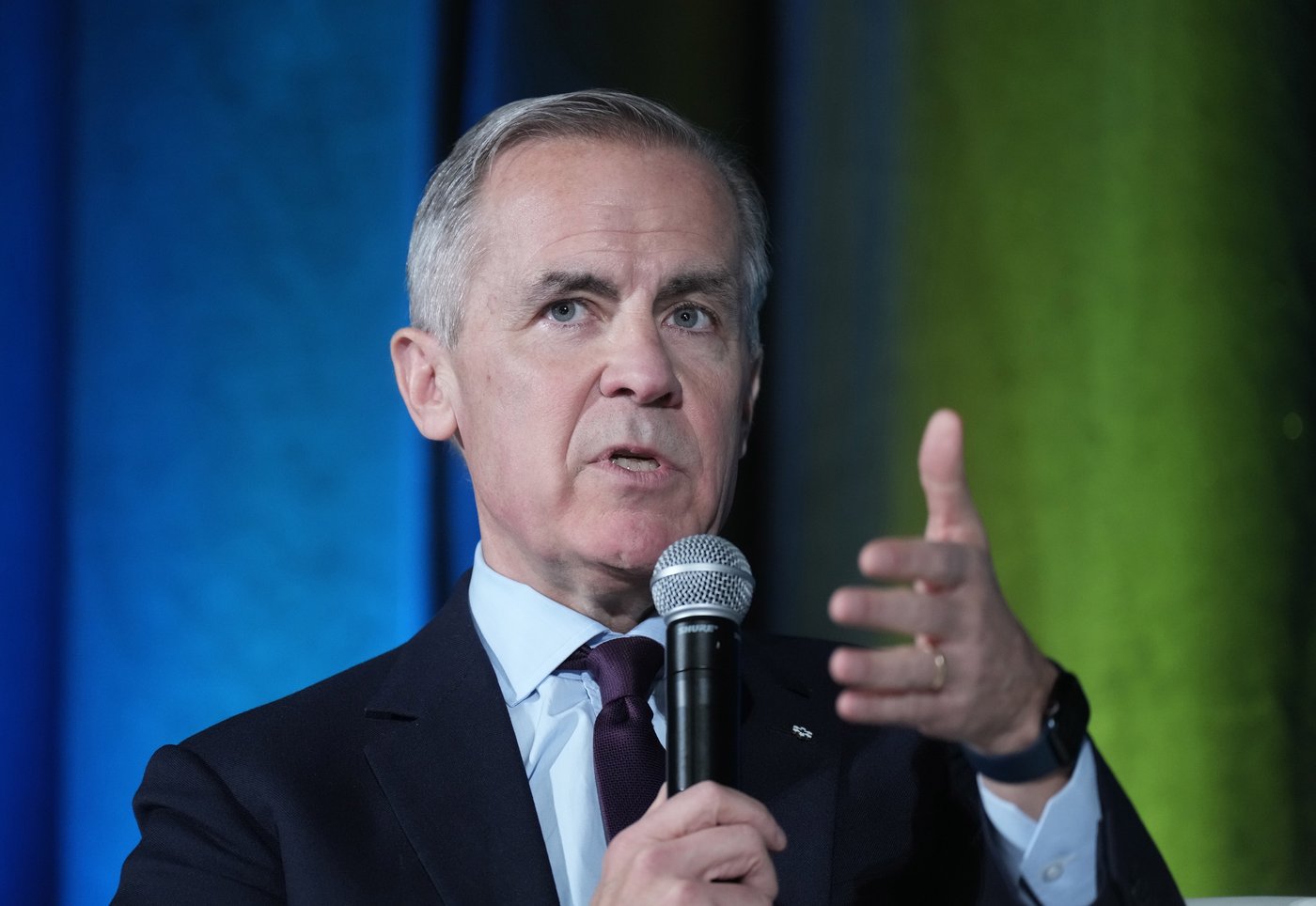
Stewart Prest, Lecturer, Political Science, University of British Columbia Canadian Prime Minister Mark Carney is having a moment. Accordingly, on his visit to India, Japan and Australia, Carney is looking to find partners for his vision. He’s seeking opportunities to improve relations, expand trade and cooperate on issues of Pacific […]
The Elements of Power
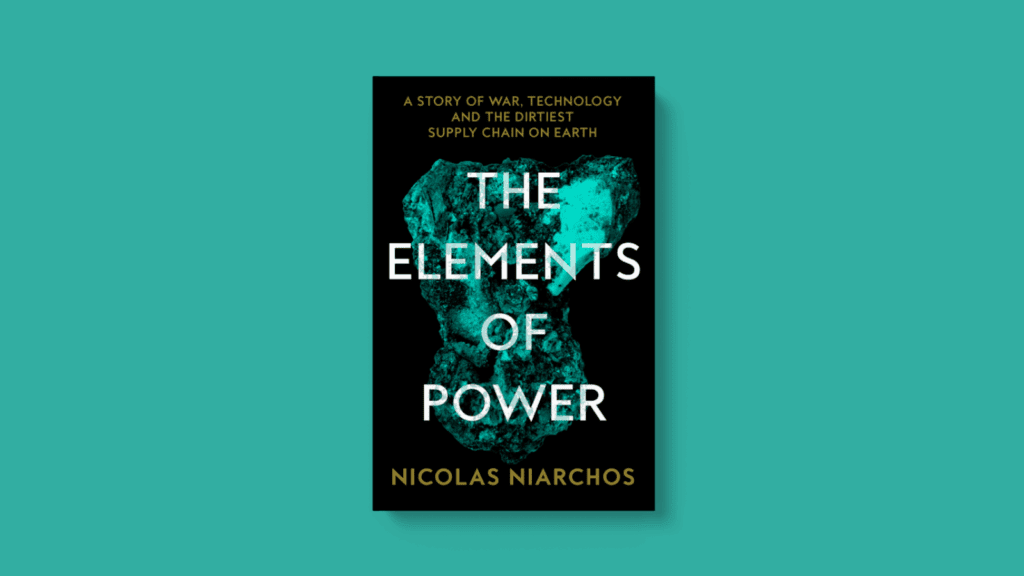
A Story of War, Technology, and the Dirtiest Supply Chain on Earth By Nicholas Niarchos The Elements of Power tells the story of the war for the global supply of battery metals—essential for the decarbonisation of our economies—and the terrible, bloody human cost of this badly misunderstood industry Congo is […]
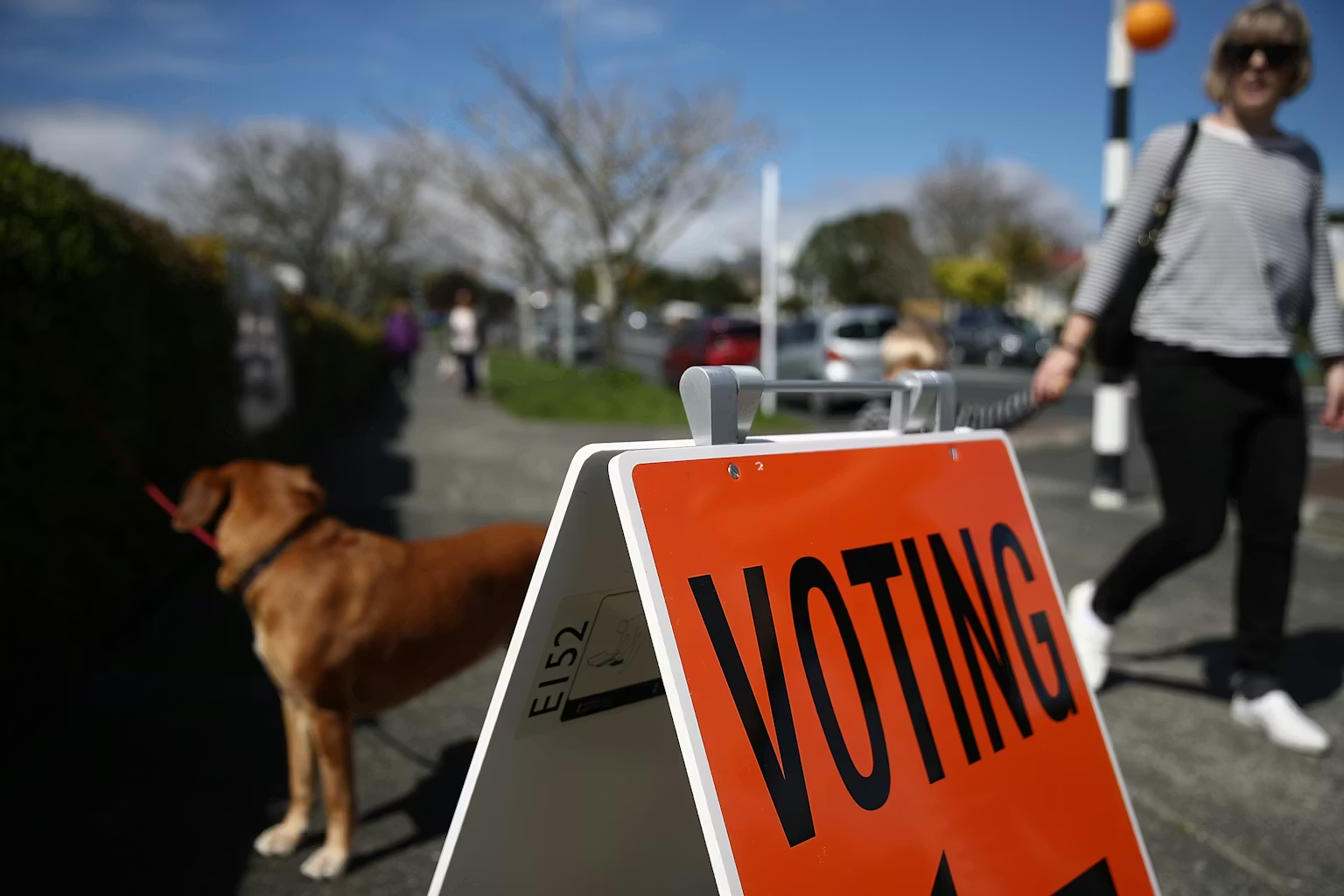
A major overhaul of NZ’s local government is underway – will it really fix what’s broken?
Phil Walter/Getty Images Guy C. Charlton, Associate Professor, University of New England With a general election looming, the largest shake-up of New Zealand’s local government system in three decades sits on the table. New Zealanders are being invited to have their say on the draft policy proposal, Simplifying Local Government, which would fundamentally reshape how […]

David Foster Wallace’s Infinite Jest at 30
Julian Murphet, Jury Professor of English and Language and Literature, Adelaide University Thirty years ago, living in Cambridge, England, I wandered into Heffers Bookshop and picked up a monstrous new novel on the display table. It had a title out of Hamlet, a Simpsons-sky dustjacket, hundreds of endnotes, and ran […]
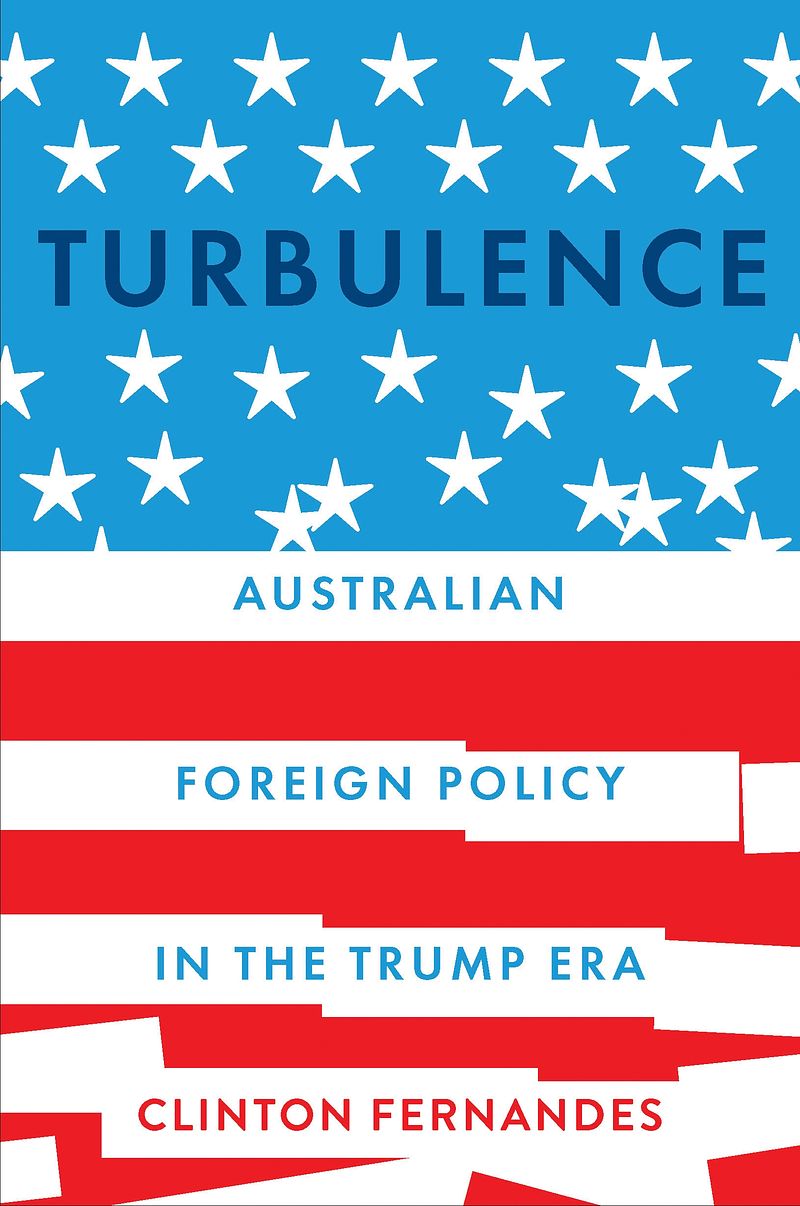
Hypocrisy and folly: why Australia’s subservience to Trump’s America is past its use-by date
(Left)Mark Beeson, Adjunct professor, Australia-China Relations Institute, University of Technology Sydney. Turbulence: Australian Foreign Policy in the Trump Era – Clinton Fernandes (Melbourne University Publishing) Clinton Fernandes has established himself as one of the most original and insightful analysts of Australian security policy. An early career with the Australian Army […]
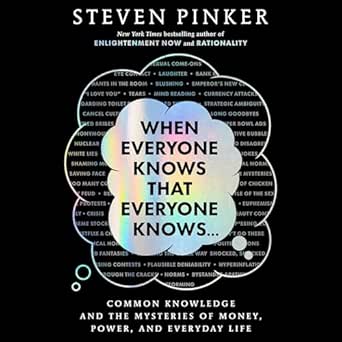
When Everyone Knows That Everyone Knows
This is a brilliantly insightful work that explains how we think about each other’s thoughts, ad infinitum. It sounds impossible, but Steven Pinker shows that we do it all the time. This awareness, which we experience as something that is public or “out there,” is called common knowledge, and it […]

Empire of the Elite
By Michael Grynbaum For decades, Condé Nast and its glittering magazines defined how to live the good life in America. The brilliant, complicated, striving characters behind Vogue, Vanity Fair, The New Yorker, GQ, Architectural Digest, and many other titles manufactured a vision of luxury and sophistication that shaped consumer habits, cultural trends, intellectual attitudes, and […]

The Opposite of Settling
Forget settling or “settling down” – you deserve a love that upgrades every aspect of your life. A love that empowers you to get hotter, happier, and more fulfilled… together. The host of the podcast New Mindset, Who Dis? helps you find a partnership that fills your life with “can you believe […]

Weekend coming up…
Close the computer and enjoy a good book. Moby Dick Herman Melville The Marriage of Cadmus and Harmony – Roberto Calasso The Universal Turing Machine – Richard Beard A Dance to the Music of Time – Anthony Powell Our Man in Havana- Graham Green The […]

Empire of AI: Dreams and Nightmares in Sam Altman’s OpenAI
From a brilliant longtime AI insider with intimate access to the world of Sam Altman’s OpenAI from the beginning, an eye-opening account of arguably the most fateful tech arms race in history, reshaping the planet in real time, from the cockpit of the company that is driving the frenzy, When […]

Graydon Carter hired Christopher Hitchens, pissed off Trump and revealed Deep Throat
Julian Novitz Senior Lecturer, Writing, Department of Media and Communication, Swinburne University of Technology. The editor of Vanity Fair, Radhika Jones, is stepping down after seven years. Amid the media buzz about who might take her role – long considered a plum one – is a surprising question. “Is it still […]
Nations will release an extra 400 million barrels of oil to the market. All we need to do now is not panic at the pump
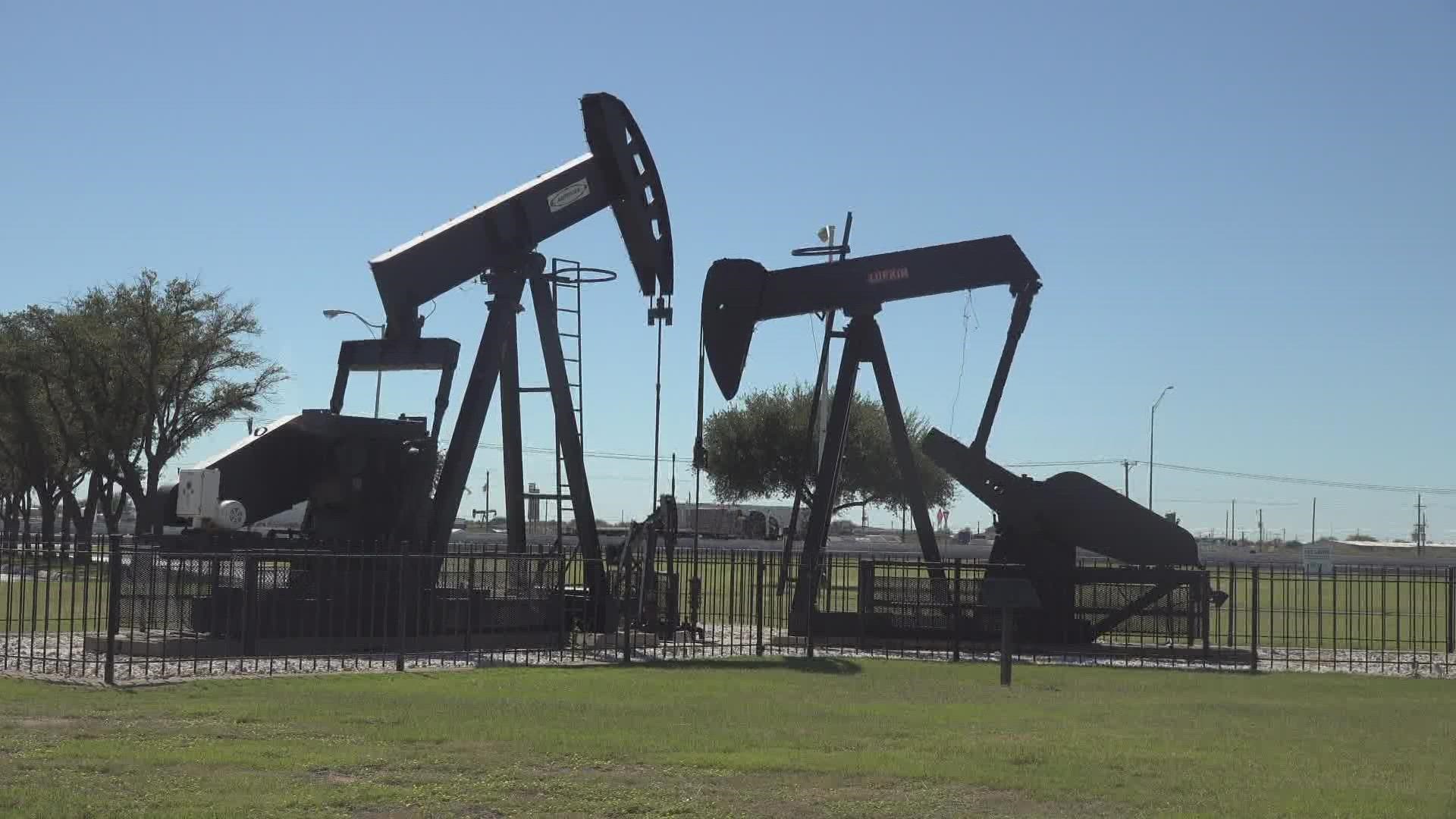
Tony Wood, Senior Fellow in Energy and Climate Change, Grattan Institute Despite being one of the world’s top exporters of fossil fuels (coal and gas), Australia has little left of its own oil. Neither does New Zealand. Both Australia and New Zealand sit at the end of a long supply chain for their transport fuels. The US-Israel war on Iran has led to this supply chain being squeezed. Iran’s move to shut down the crucial Strait of Hormuz has effectively frozen 20% of the world’s oil trade. Three ships were hit by projectiles in the strait yesterday. When supply reduces, we expect prices to rise. That’s why petrol and diesel prices have shot up. Farmers and trucking companies are worried about possible fuel shortages, especially for diesel. Many people will wonder why governments aren’t acting. But they are not sitting idly by. Australia and New Zealand are among the 32 member nations in the International Energy Agency (IEA) that have agreed to release reserves of oil to tackle price spikes, though it’s unclear how much this will help. New Zealand’s fuel reserves could last perhaps four weeks if all new supply was completely cut off, while Australia has a little more after recent expansion of fuel reserves. It’s important not to panic. Losing 20% of oil supply affects prices. But the other 80% of oil is unaffected by the war. Current price spikes are likely to be more affected by panic buying and perhaps even price gouging than by an actual supply shortage. What are authorities doing? Yesterday, the IEA announced its members would release a collective 400 million barrels of oil onto the market to try to bring oil prices down – the sixth and largest release in the agency’s history. Globally, oil prices have spiked 25% since the Iran conflict began on February 28. In turn, petrol and diesel prices have risen at […]